Cellular aging is the essence of organismal aging. It is not merely the decline of individual cellular components, but a systemic collapse. Mitochondrial function deteriorates, telomeres shorten; membrane signaling pathways degenerate; alterations in the extracellular environment are all hallmarks of cellular aging. Failure to address any single aspect can compromise anti-aging efficacy.
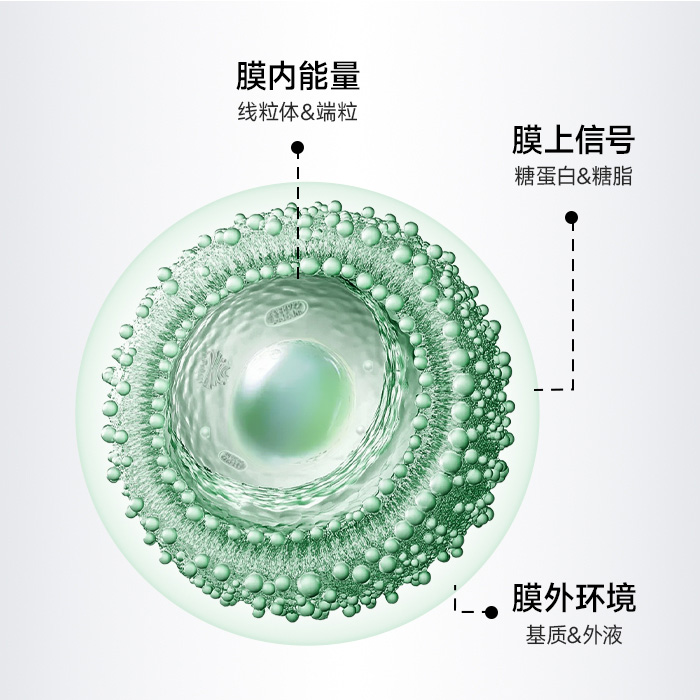
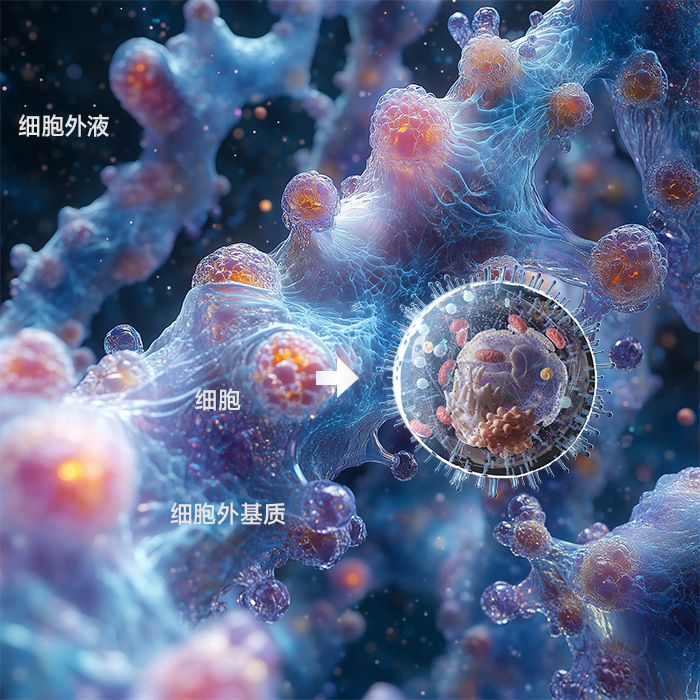
True cell anti-aging should cover the entire cell area, including both inside and outside the cell membrane. The intracellular components, including mitochondria and telomeres, require protection. Mitochondria serve as the cellular power plants, while telomere length serves as a biological clock closely associated with aging. Glycoproteins and glycolipids are key membrane components primarily responsible for cell recognition and signal transduction, and have significant regulatory significance for anti-aging signaling pathways and inflammatory responses. The extracellular matrix maintains tissue structure and elasticity, and affects the internal stability and repair ability of cells. Therefore, every link in the cell-wide process is very important.
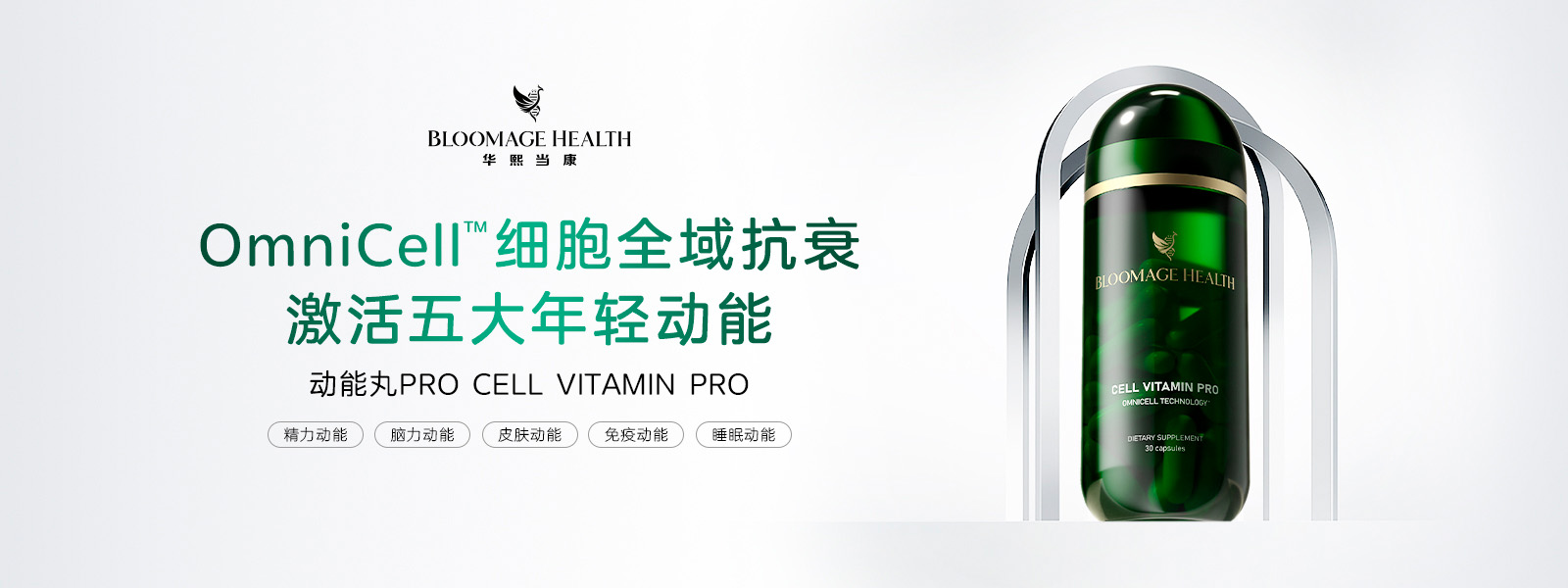
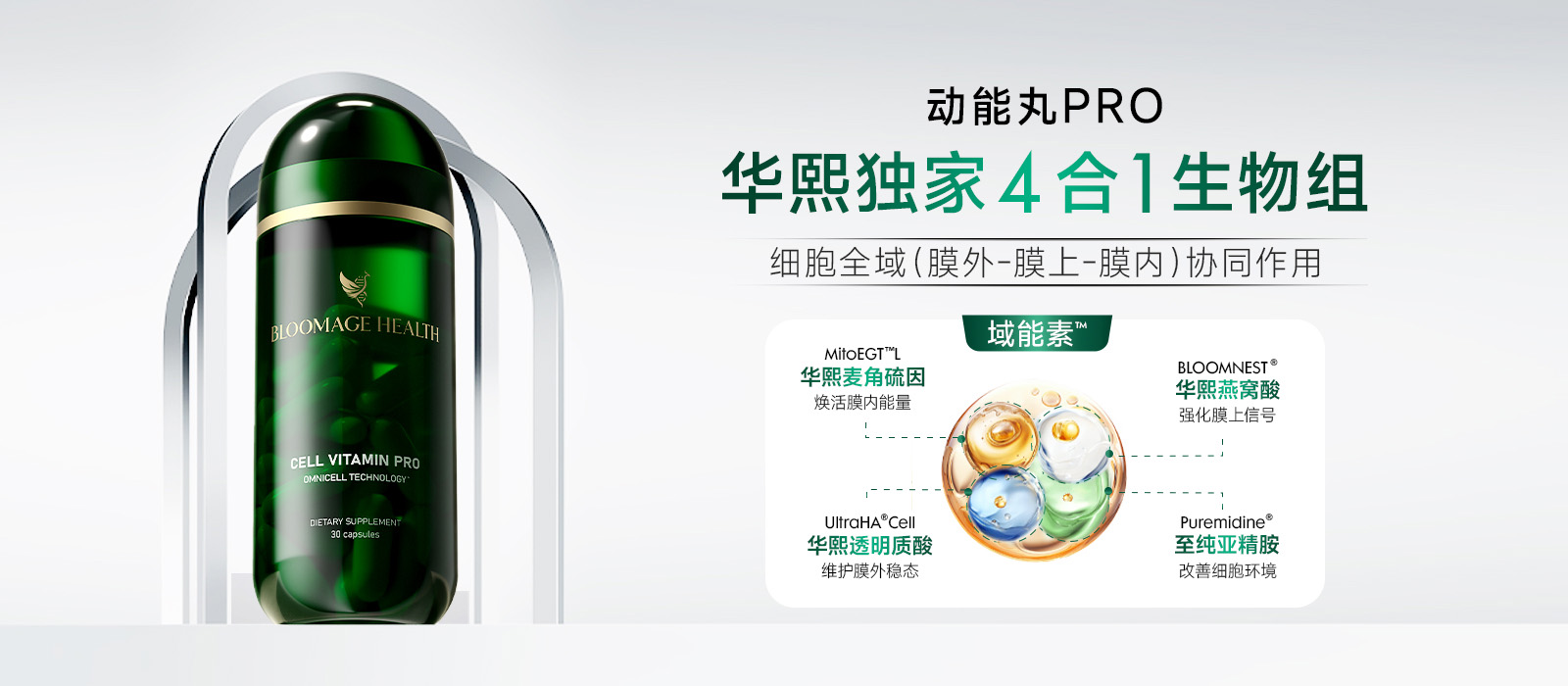
Coordinated three-dimensional intervention across the membrane, intracellular, and extracellular compartments, avoiding one-dimensional anti-aging approaches. Through multi-target biocomposite technology, it simultaneously targets the entire cell, restores mitochondrial function, optimizes membrane signaling efficiency, and stabilizes the extracellular microenvironment. Comprehensive cellular anti-aging scientifically restores a youthful cellular state, and activates five key drivers of youthfulness.